
Menu
In offshore construction, material traceability isn’t optional. It’s fundamental. The process is not just about knowing where materials like steel come from, but about demonstrating every piece meets the specifications required for the project, operating environment, and customer expectations. That process starts earlier than most people think.
Why Material Traceability Starts at Steel Procurement
Material origin is the first checkpoint. Many operators place strict limits on where steel can be sourced, which means quality can’t be easily verified after the fact; the process must be controlled from the beginning. This is why sourcing from approved steel mills matters. If the material doesn’t meet standards from the beginning, no amount of documentation later can fix it.
Once material is carefully selected, verification continues throughout the process. Material Traceability Reports (MTRs) connect each piece of steel back to its source while confirming key properties like strength, composition and performance. These reports support offshore compliance documentation and review processes associated with organizations such as ABS, DNV, and the U.S. Coast Guard.
More importantly, they ensure the material can safely perform in offshore conditions and meet the specified requirements. In these environments, material failure can create serious safety, cost, and operational consequences. Between corrosion, extreme loads and dynamic lifting forces, materials are pushed far beyond what’s typical on land.
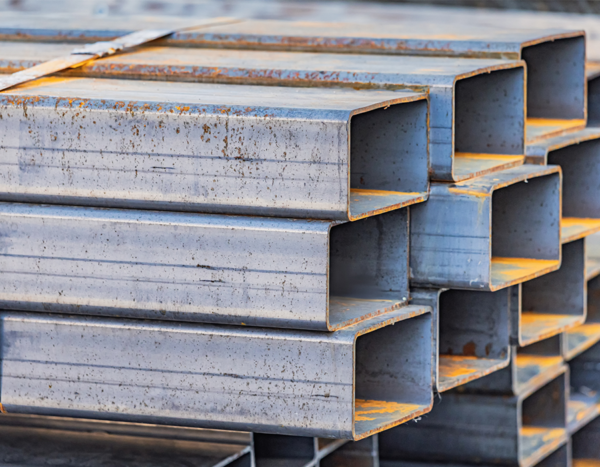 In modular offshore construction, material traceability extends beyond raw steel alone. It can apply to structural frames, lifting points, stairs, platforms, and other critical components that must withstand fabrication handling, transportation, offshore lifting operations, and long-term marine service. For accommodation modules and technical buildings, that level of control helps confirm the finished structure is built with materials that align with project specifications and intended operating conditions.
Traceability doesn’t stop at initial documentation—it must follow the material itself. Each piece of steel is assigned a heat number tied to its MTR. The heat number is stamped on at the mill, and that identifier stays with it through fabrication and, in some cases, all the way to a mapped location on the finished structure. This level of tracking allows for accurate inspections and gives operators confidence that installed materials align with project specifications.
Common Material Traceability Failures in Offshore Projects
The biggest issue encountered with traceability is timing. The process is often treated as something that can be addressed later, but it can’t. Once documentation is missing or incomplete, it’s nearly impossible to recreate. This fact can lead to failed certifications, project delays or, in the worst cases, structures that can’t be used at all.
At Armoda, traceability is built into the process.
At Armoda, we:
- Source from approved steel mills and qualified vendors
- Maintain full MTR documentation from start to finish
- Track materials through every stage of fabrication
- Design with certification requirements in mind
Equally as important, our team knows how to deliver within realistic timelines. In lieu of custom builds, as an option, we adapt proven, certified designs to meet client needs faster, without compromising compliance. Just as important, our team understands how to execute within realistic project timelines. When schedules demand speed, we can adapt proven designs to meet client needs while maintaining quality and documentation controls.
Material traceability ensures that what’s engineered is what gets built, and that it performs offshore as designed. With no room for assumptions, every material must be a proven fit for the job, and an experienced and disciplined process is crucial.
Talk with an Armoda specialist about offshore module fabrication, quality controls, and project readiness.